Recap | Week Ahead | AI Evolving
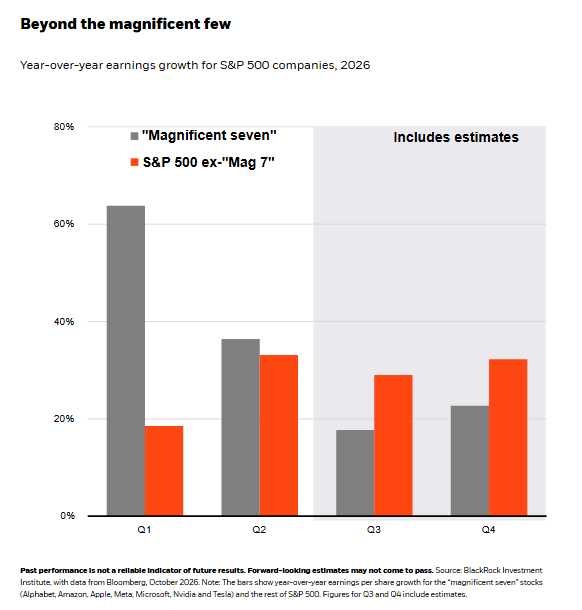
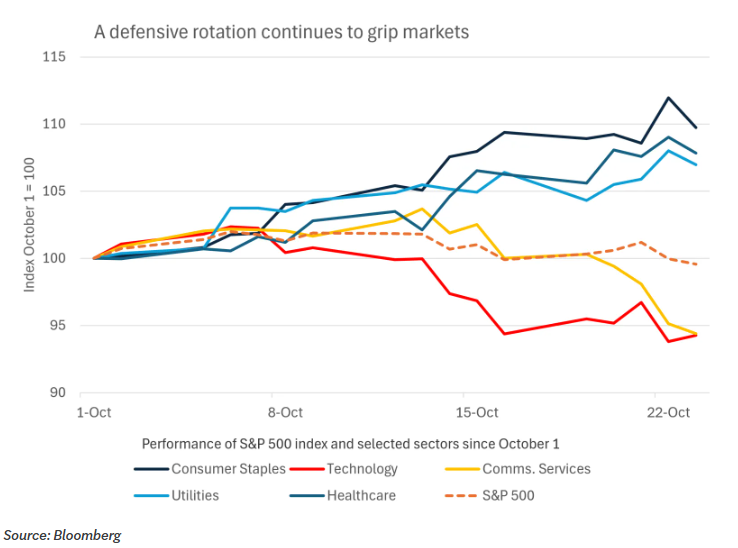
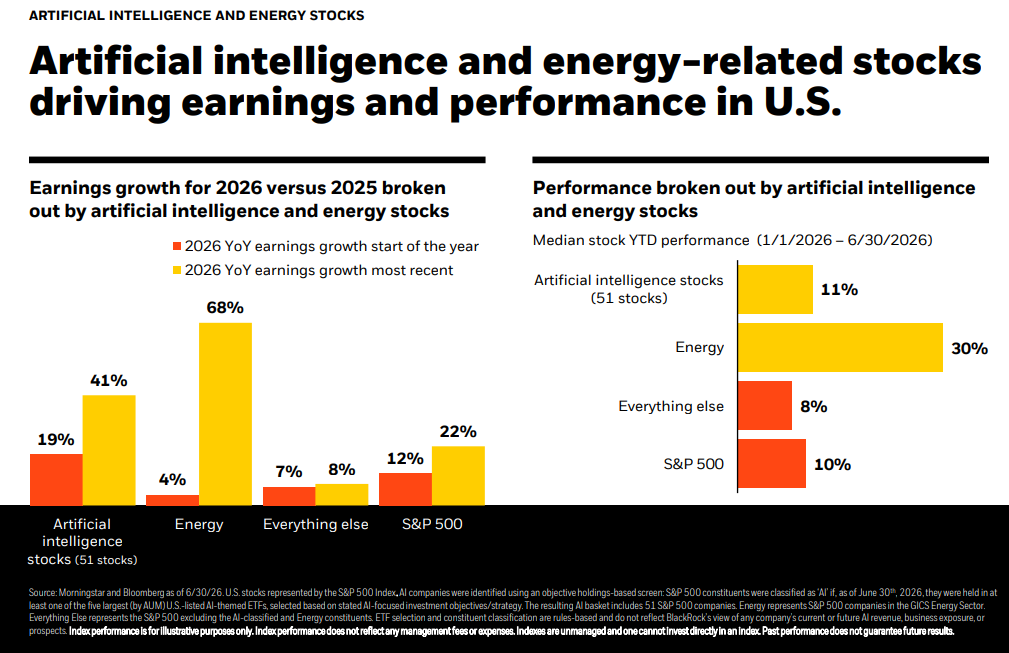
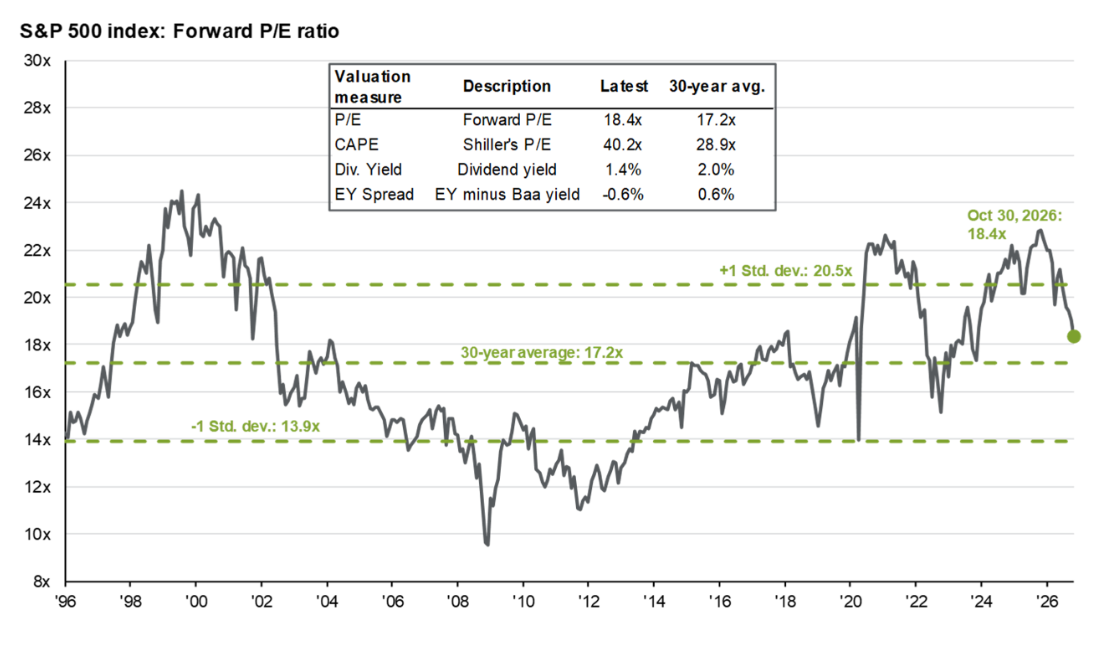
Is this the pause that refreshes? Markets took investors on a wild ride last week following the midterm elections. Stocks initially rallied as the election results reduced some political uncertainty, but that optimism quickly faded as investors turned their attention back to the biggest question facing markets: How much longer can the AI investment cycle continue at its current pace? The result was a sharp selloff in tech and AI-related stocks, with the Nasdaq entering correction territory and volatility jumping significantly. But this looks more as a reset than a retreat. The AI story is undergoing a shift. For the past several years, investors rewarded companies that supplied the “picks and shovels” of the AI buildout—semiconductors, data centers, cooling systems, power infrastructure and electrical equipment. Now, the focus is increasingly moving from AI investment to AI economics: How much will companies spend, how quickly will those investments generate returns, and which businesses will ultimately capture the productivity gains? That shift could create a different group of winners. Companies with strong balance sheets, healthy cash flow, and the ability to fund massive investments internally may have an advantage. The mega-cap technology companies are particularly well positioned because they can continue investing through a period when smaller or more highly leveraged companies may struggle with higher financing costs. At the same time, the next wave of AI beneficiaries may come from outside technology. Healthcare, financials, industrials and other businesses that successfully use AI to lower costs and improve productivity could become increasingly important to market leadership. The encouraging part is that the underlying economy remains relatively healthy. Consumers are holding up, retail activity remains solid and fundamental earnings growth has not disappeared. Meanwhile, valuations have come down meaningfully, making some high-quality companies more attractive than they were several months ago. That doesn’t mean investors should rush to buy everything that has fallen. Selectivity matters. But after several months of valuation compression, price action is beginning to entice investors back into areas of the market that were previously priced for perfection. The bottom line: This looks more like a pause that refreshes than the end of the AI bull market. The next phase may simply be more selective, with balance sheets, cash flow, valuation and actual productivity gains driving returns rather than simply exposure to the AI theme. For long-term investors, volatility can be uncomfortable—but history has repeatedly shown that some of the best opportunities emerge when sentiment changes faster than the underlying fundamentals.